About this Certificate
Basic Pastoral Care Certificate Program
Program Description: The basic certificate introduces IFTCC Learning’s 3 main goals for preparing pastoral care workers for assisting individuals, couples, and families seeking pastoral support while pursuing spiritual health. The Pastoral Care Basic Certificate includes a broad range of topics providing essential knowledge for preparing pastoral care workers for ethical and informed practice from a distinctly biblical worldview.
IFTCC Learning Competencies:
- Development and Devotion Learning Goal: Participants will be able to defend a biblical anthropological worldview in comparison to divergent perspectives on human development.
- A7 Human Development and Devotion: Workshops,seminars, and presentations at the basic level will elucidate theoretical understandings of human development from infancy to adulthood and how these impact on the psychological and spiritual awareness of individuals. Both pre-natal and post-natal influences are considered.
- Accountability Self-Awareness and Self-Management Learning Goals: Participants will be able to articulate the benefit of self-awareness and self management tools and strategies for the purpose of balanced living in a ‘post-Christian’ or anti-Christian societies.
- A8 Self-Awareness: Workshops, seminars, and presentations at the basic level will encourage participants to develop accountability to themselves through self- awareness. Self-awareness invites active engagement with others to establish balance in self-perception and contributions in this area will stimulate participants to recognise their unique potential contributions to others, as they master themselves.
- Critical Reflection Learning Goals: Participants will apply a range of reflective learning lenses that facilitate critical evaluation of self.
- A9 Using Reflective Lenses: Workshops, seminars, and presentations at the basic level will facilitate the use of basic tools such as (1) autobiography, (2) theoretical literature, how others experience us (3) near-peer-colleagues, and (4) those to whom we minister/teach/lead.
Courses in this Certificate (10)
-

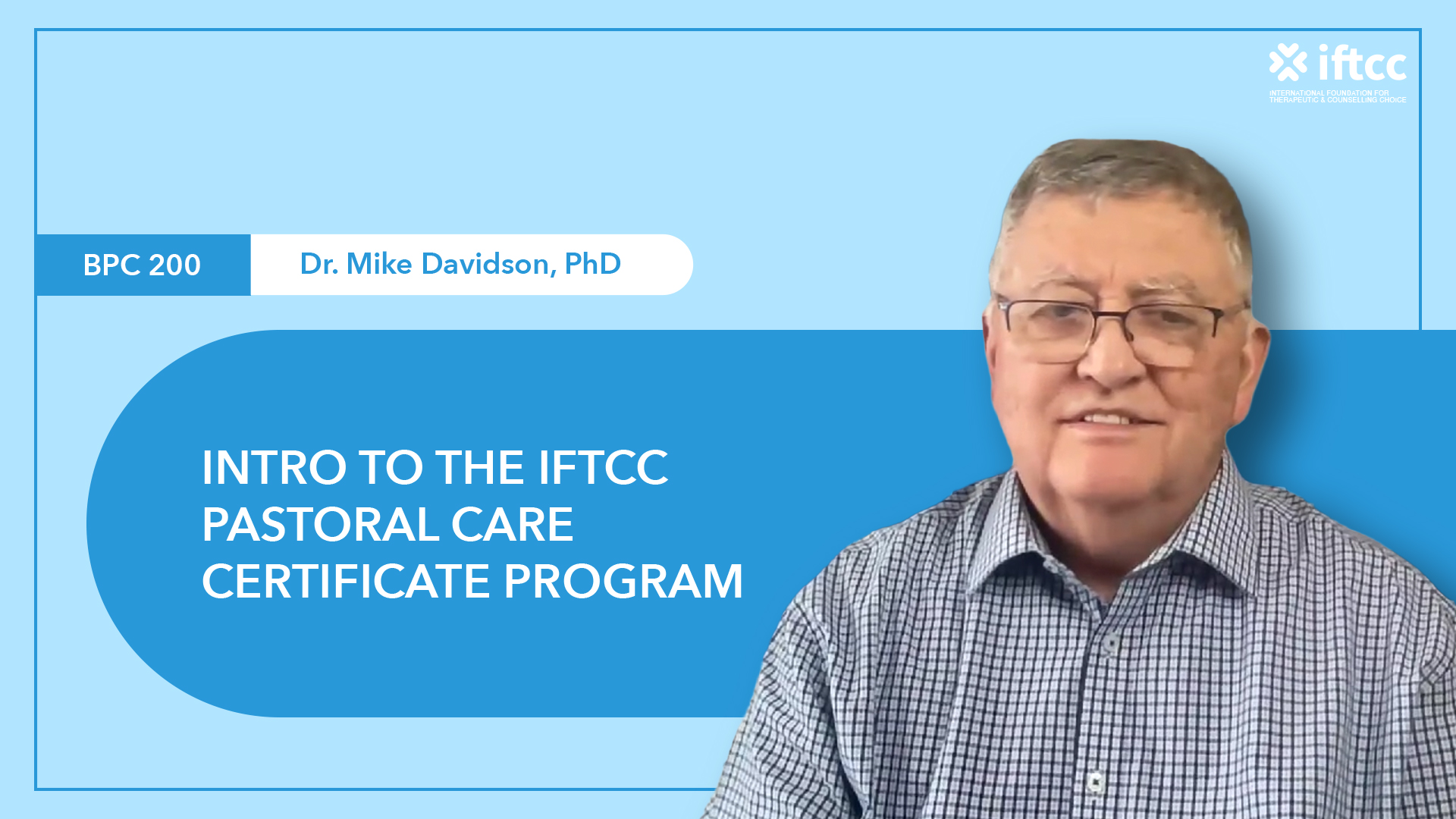
BPC 200: Intro to the IFTCC Pastoral Care Certificate Program
Featuring Dr Mike Davidson | Category: BPC
-
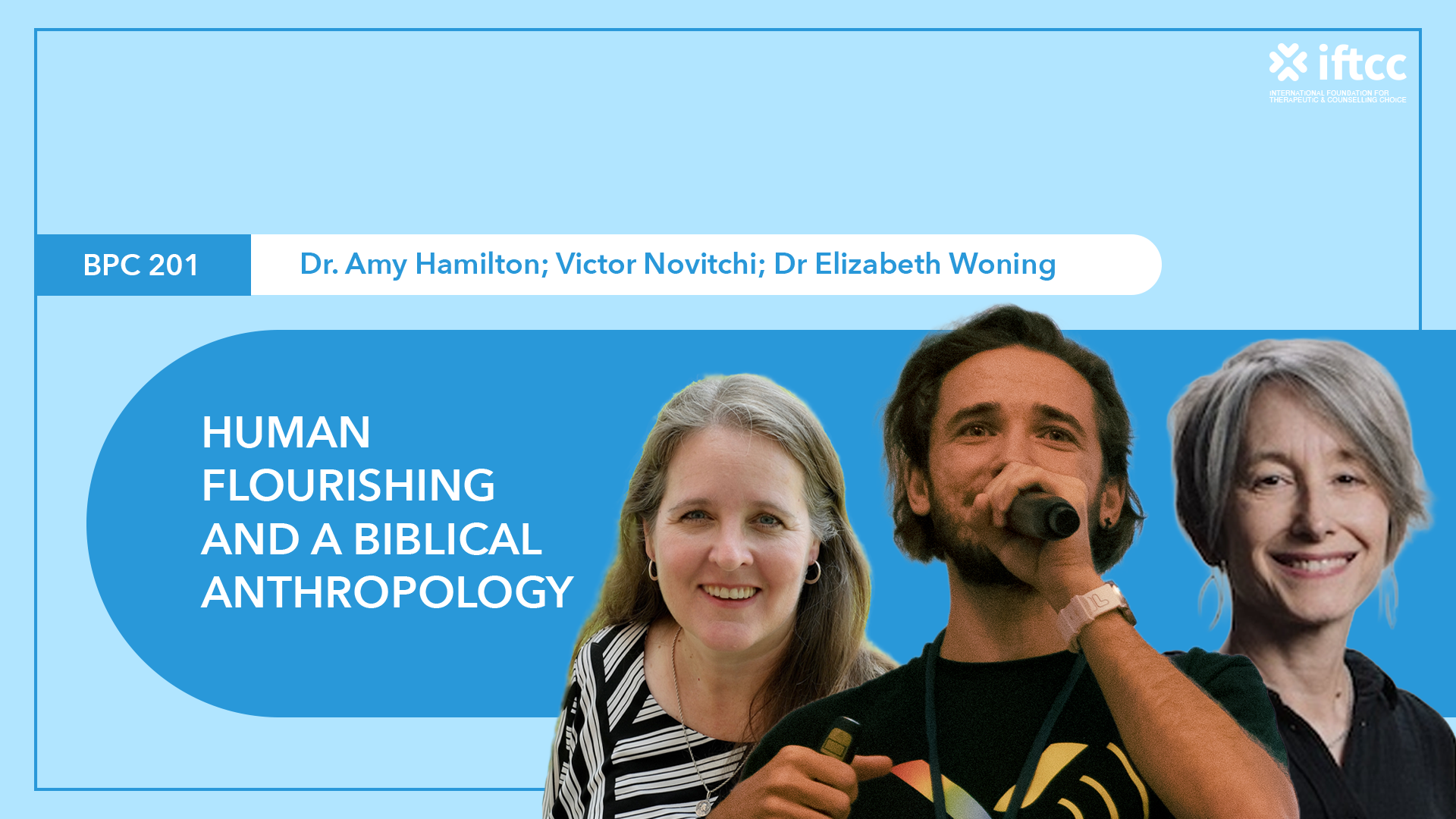
BPC 201: Human Flourishing & a Biblical Anthropology
Featuring Amy Hamilton | Category: BPC
-
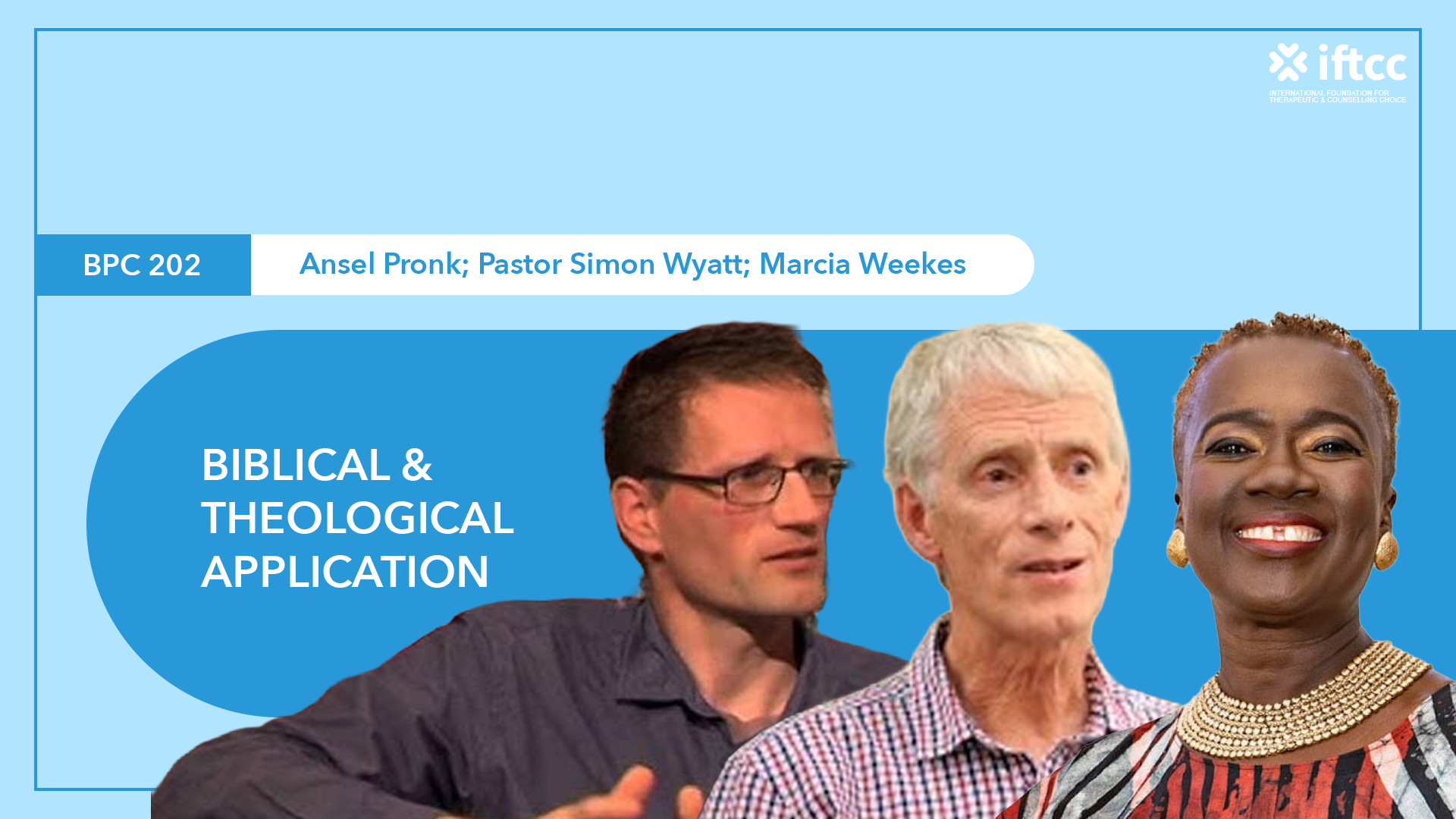
BPC 202: Biblical & Theological Application
Featuring Ansel Pronk | Category: BPC
-
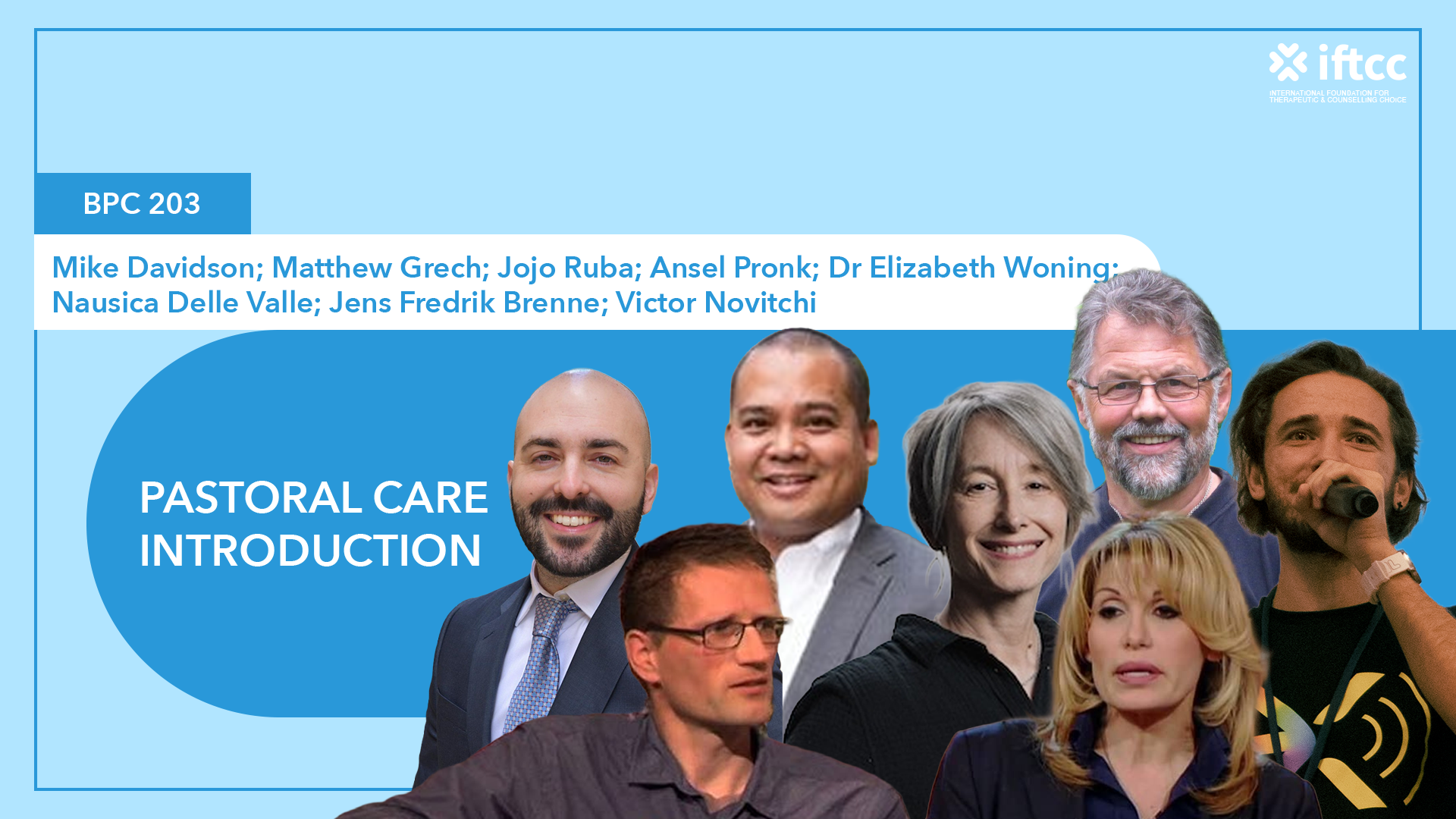
BPC 203: Pastoral Care Introduction
Featuring Dr Mike Davidson | Category: BPC
-
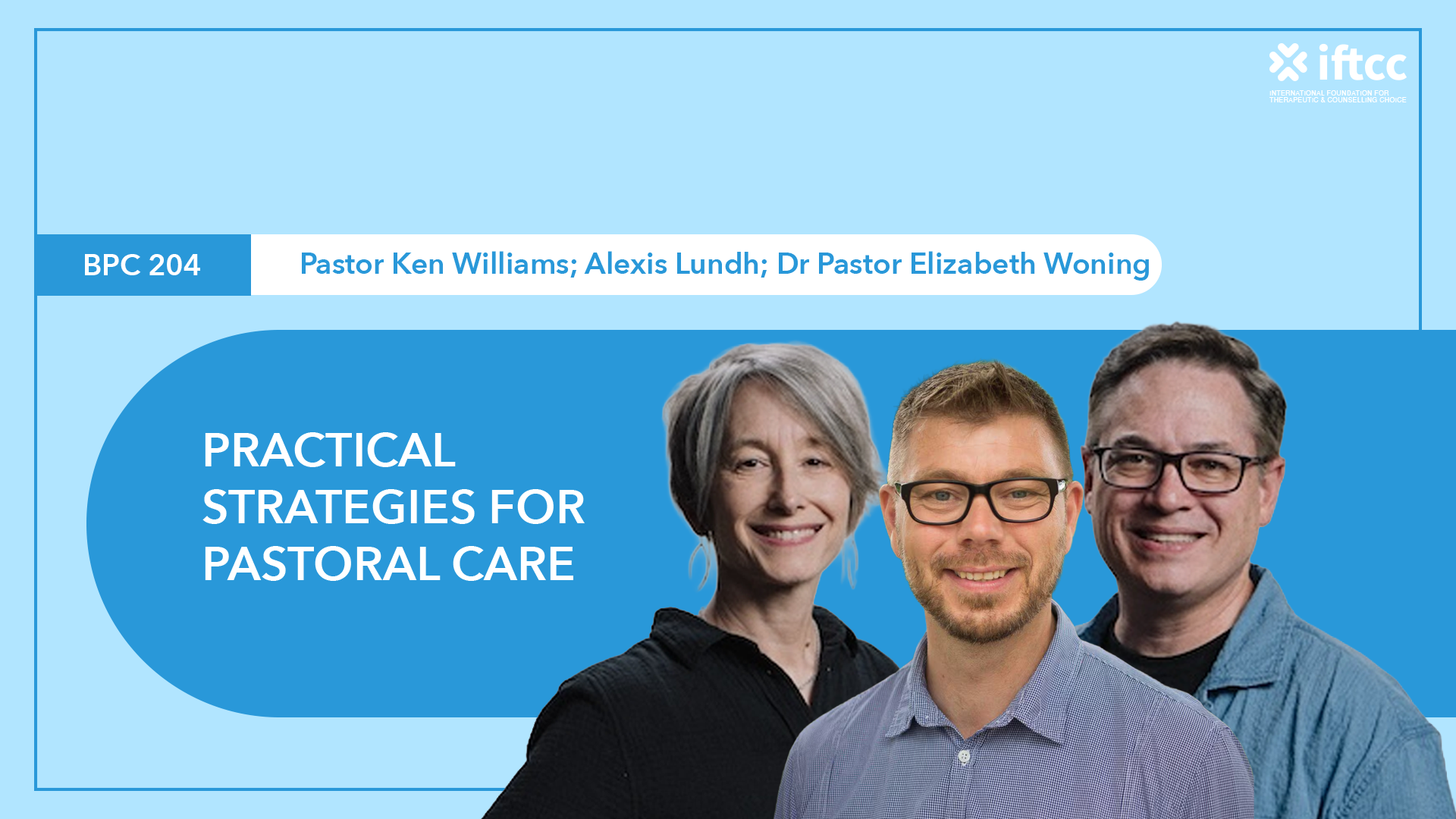
BPC 204: Practical Strategies for Pastoral Care
Featuring Pastor Ken Williams | Category: BPC
-
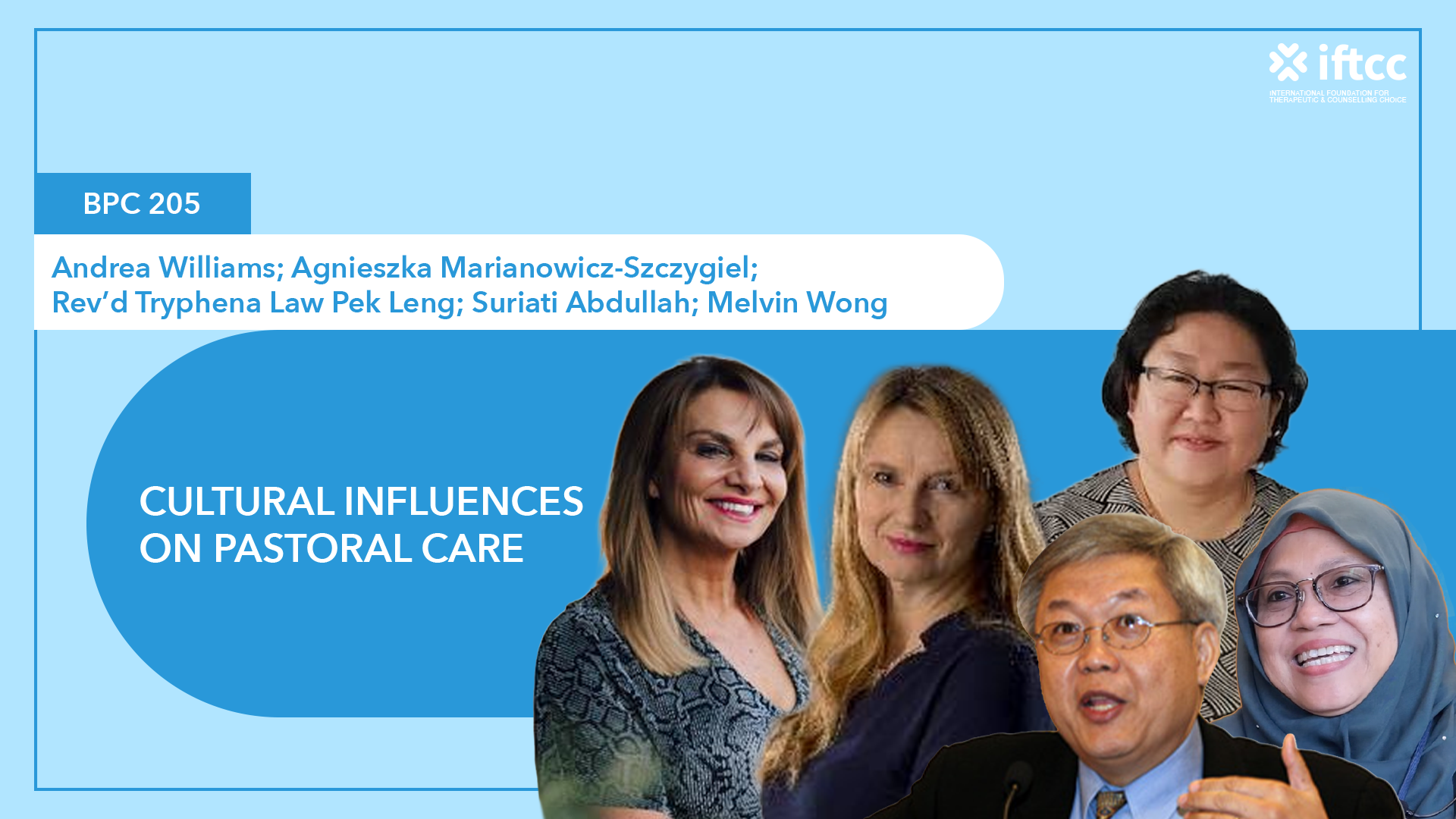
BPC 205: Cultural Influences on Pastoral Care
Featuring Andrea Williams | Category: BPC
-
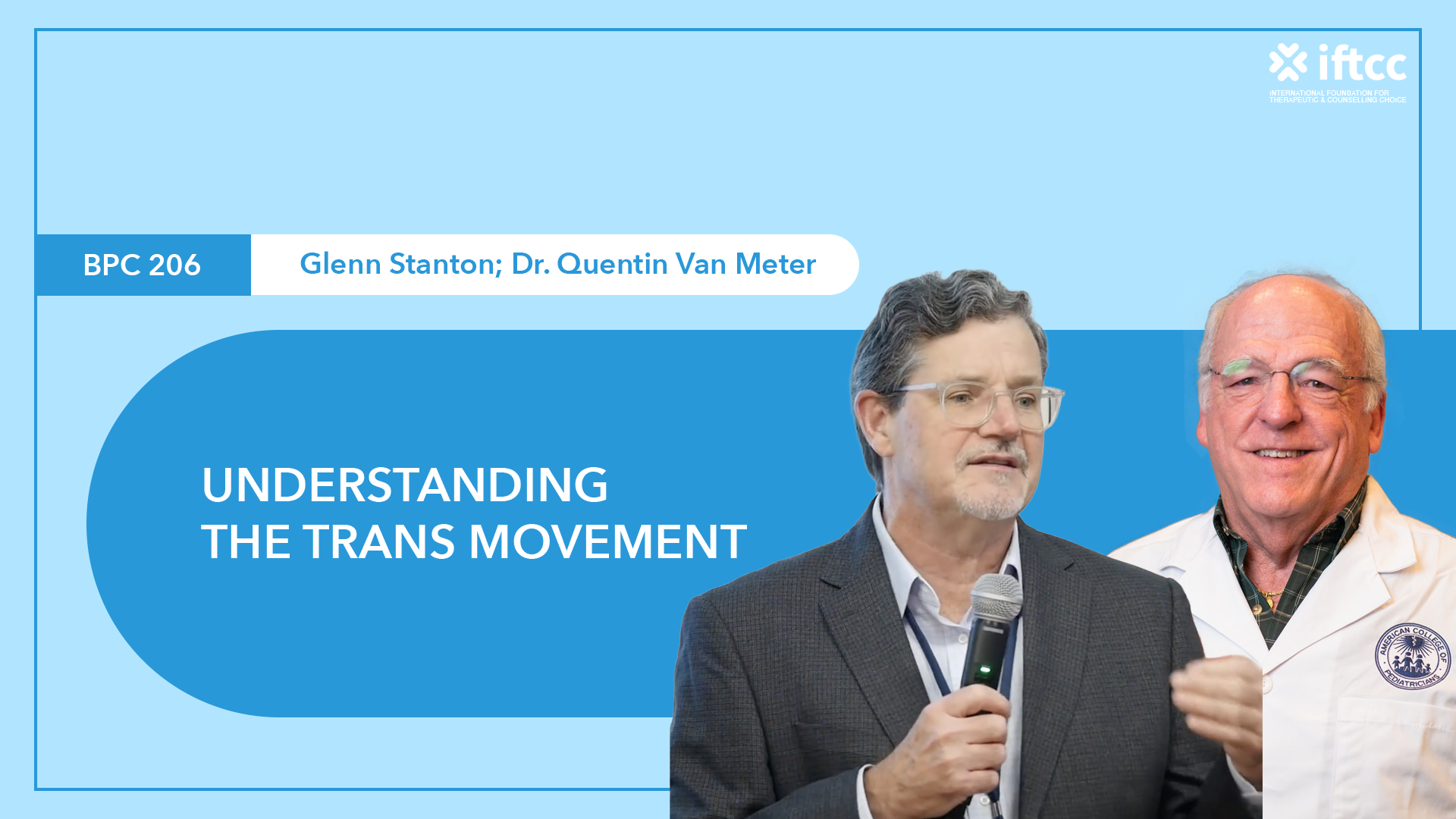
BPC 206: Understanding the Trans Movement
Featuring Glenn Stanton | Category: BPC
-
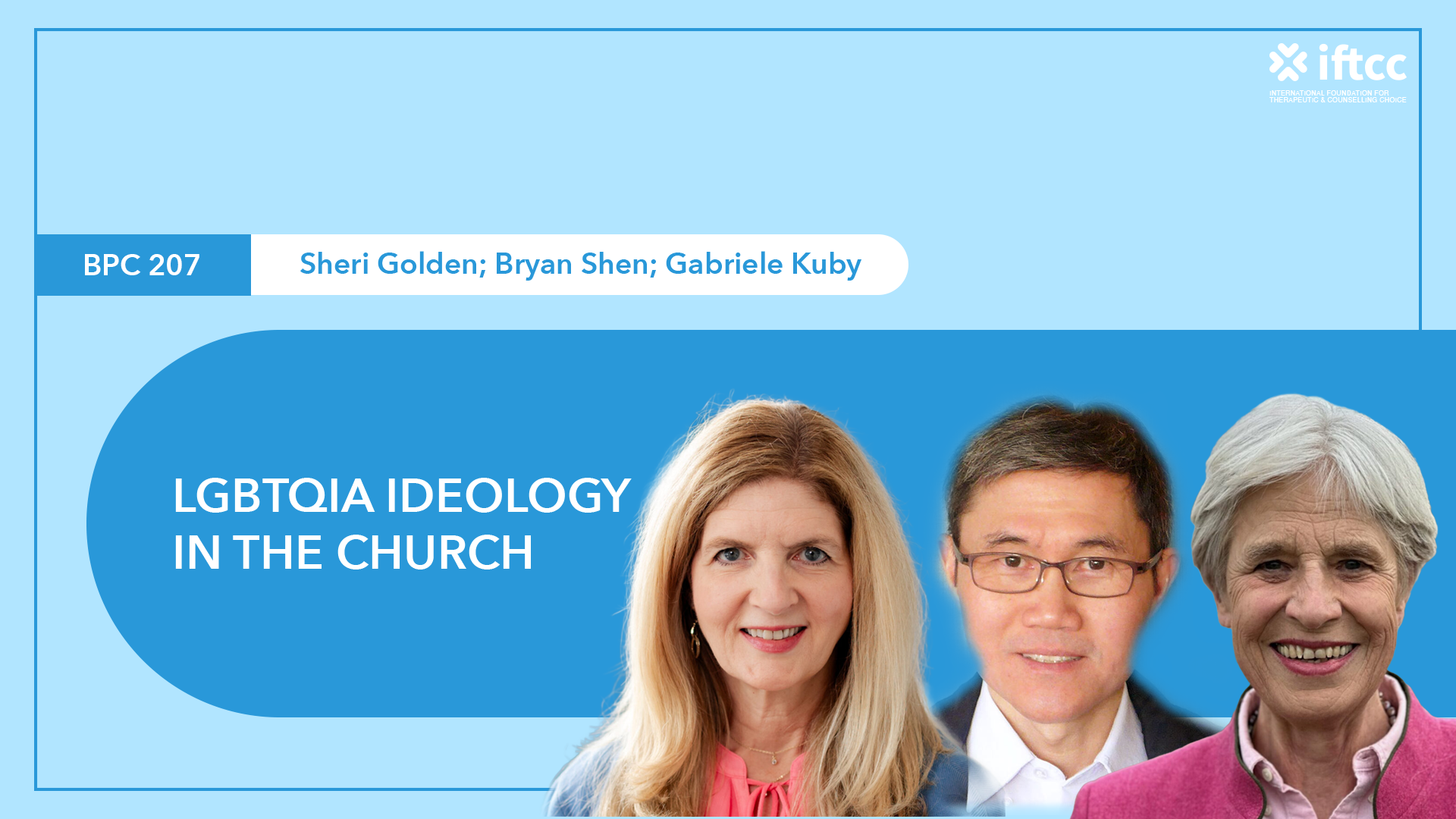
BPC 207: LGBTQIA Ideology in the Church
Featuring Dr Sheri Golden | Category: BPC
-
BPC 208: Stories of Change
Featuring Karen Graaten | Category: BPC
-
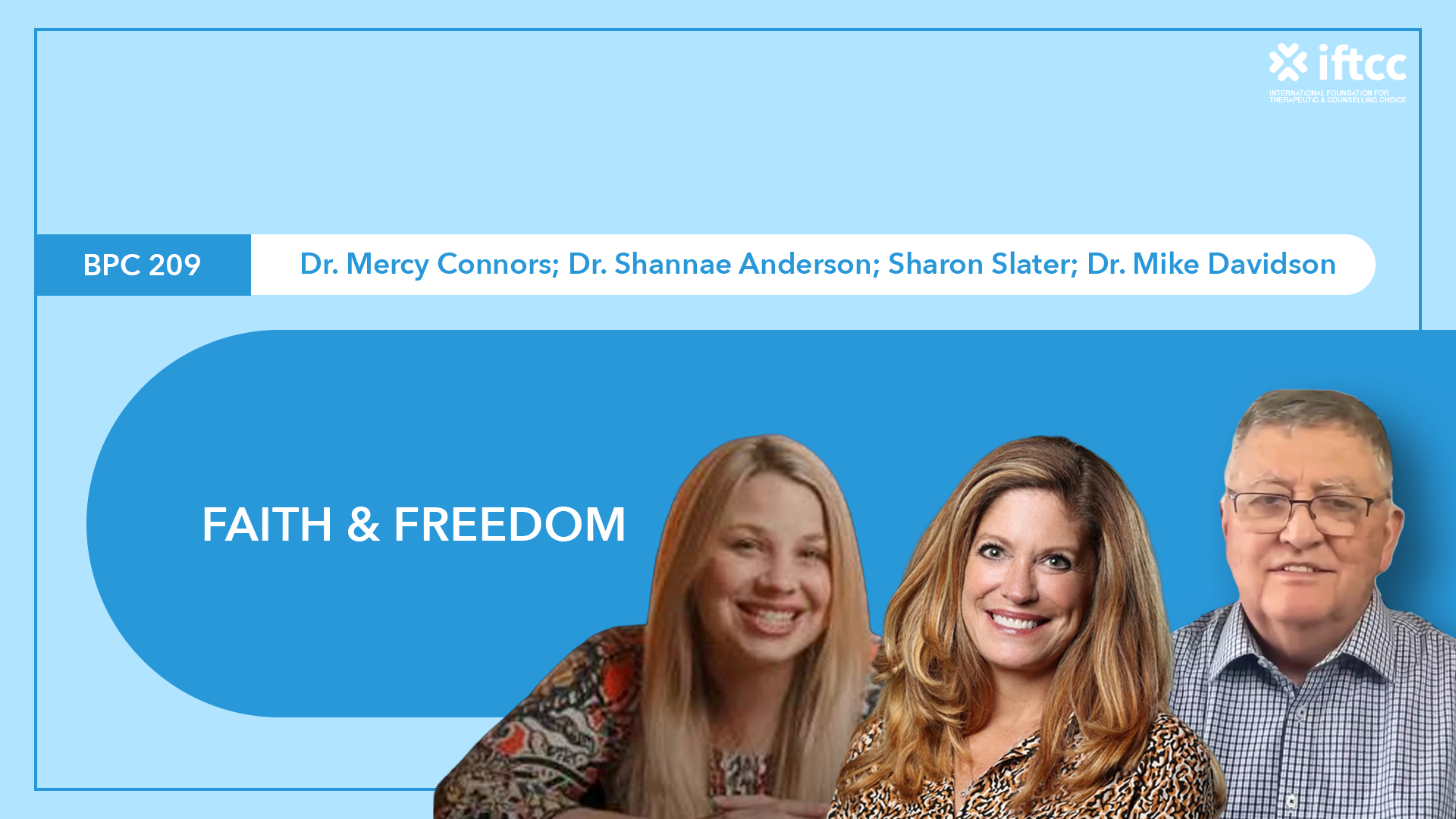
BPC 209: Faith & Freedom
Featuring Dr Mercy Connors | Category: BPC