

Course Prerequisite(s)
- Please note that this course has the following prerequisites which must be completed before it can be accessed
-
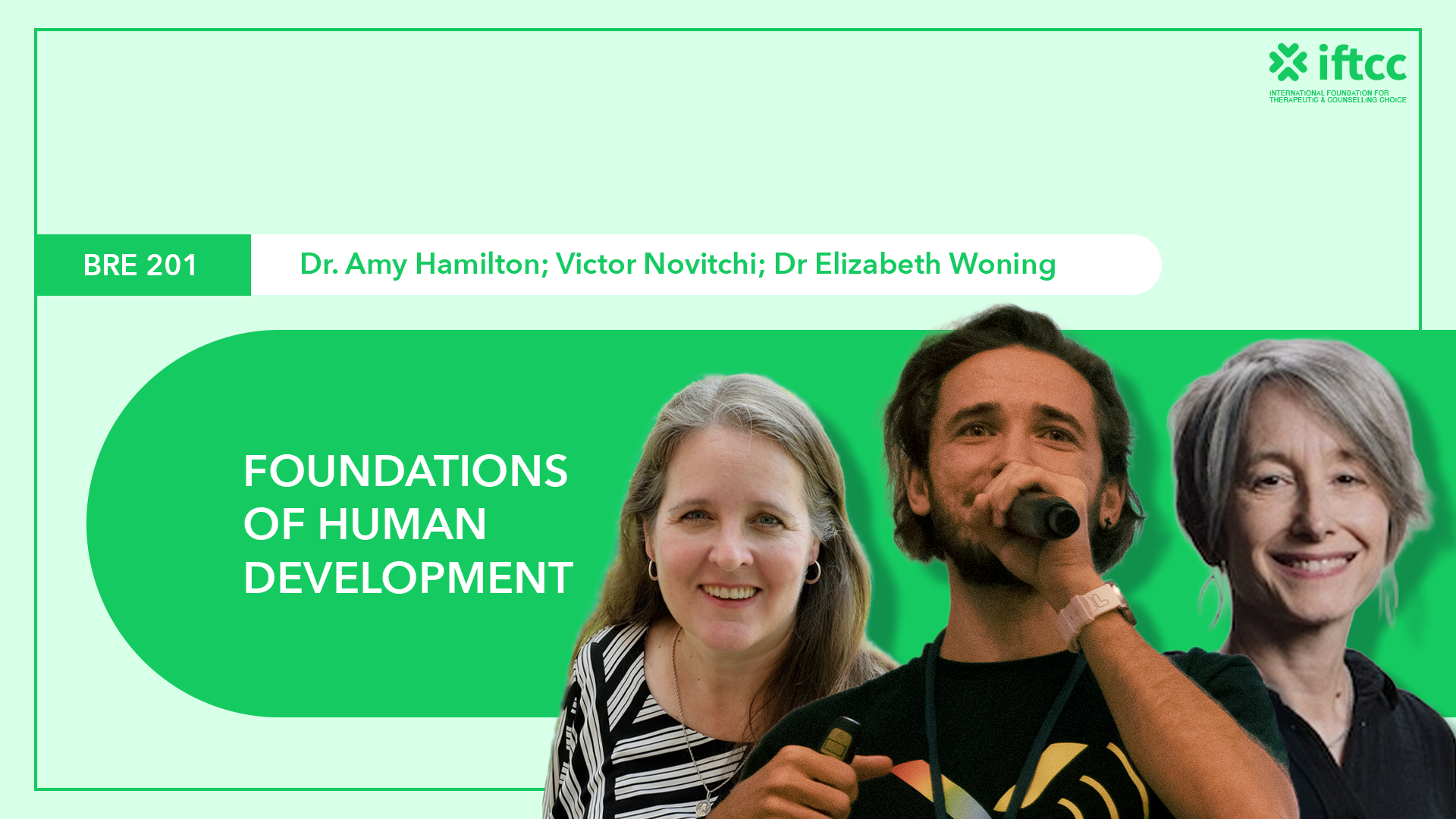 BRE 201 Foundations of Human Development
About Course
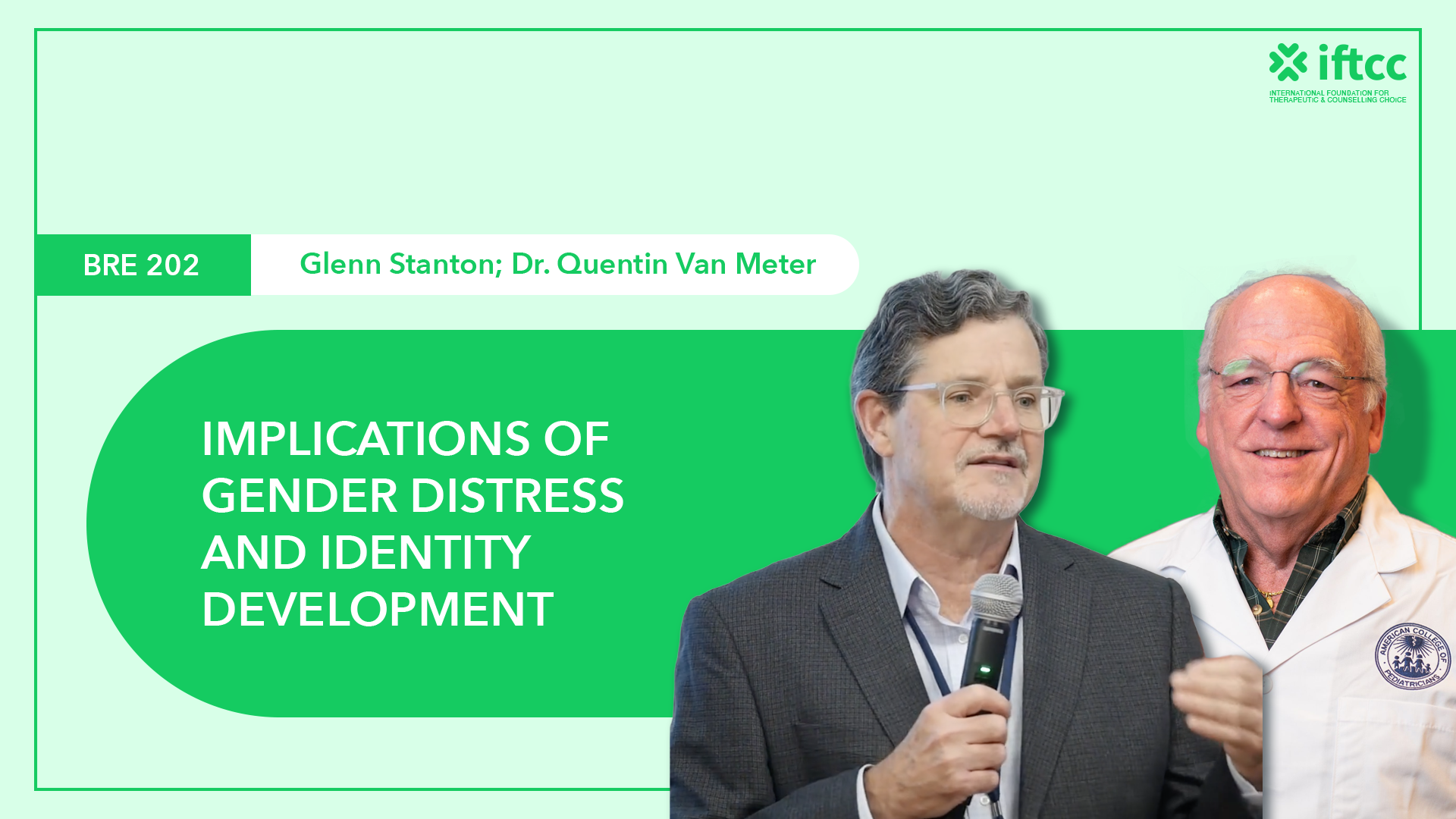
BRE 202 Implications of Gender Distress and Identity Development
Presentations Included:
- Glenn Stanton – How Sex and Gender Became Disconnected: How We Got Here/How We Return to Reality (2024)
- Glenn Stanton – How ‘Trans’ Reality is Dramatically Shifting and How to Respond (2023)
- Dr. Quentin Van Meter – Therapeutic Options for Individuals with Incongruent Gender Identity (2023)
Conceptualisations of gender identity and gender distress have shifted significantly in recent years, affecting individuals, families, and clinical practice. This course equips researchers to critically examine the development of transgender identity frameworks and their influence on contemporary research, clinical discourse, and public policy. As gender-related constructs increasingly shape academic literature and professional practice, it is essential for researchers to understand the historical, ideological, and methodological foundations underlying these shifts.
The course explores how the separation of “sex” and “gender” emerged within psychological, sociological, and philosophical traditions, and how these assumptions now inform dominant research paradigms. Learners will engage with current debates surrounding gender dysphoria, medical interventions, and the interpretation of data, particularly in relation to children and adolescents.
Within the IFTCC Research framework, this course is included because questions of human identity, embodiment, and development are fundamentally anthropological and cannot be methodologically neutral. A biblical anthropology offers a coherent and theologically grounded account of human nature, which stands in critical dialogue with prevailing secular frameworks. Increasingly, research into human flourishing, developmental outcomes, and long-term wellbeing raises questions that intersect with these foundational assumptions.
As a Judeo-Christian organisation, IFTCC seeks to equip researchers to engage rigorously, critique prevailing models responsibly, and articulate biblically faithful perspectives with scholarly clarity and intellectual integrity.
This course fulfills the following learning goals:
- Describe the historical and conceptual development of transgender identity frameworks within modern research and clinical literature (IFTCC A2).
- Identify key philosophical and ideological assumptions that underpin the separation of biological sex and gender identity (IFTCC A2).
- Explain major areas of debate within current research on gender dysphoria and medical interventions, including methodological and interpretive tensions (IFTCC A2).
- Recognise how underlying anthropological frameworks shape research questions, methodologies, and conclusions (IFTCC A2).
- Identify professional considerations when communicating about gender-related concerns in clinical, educational, and family contexts (IFTCC A2).
Course Content
Lesson
-
BRE 202 Implications of Gender Distress and Identity Development