

Course Prerequisite(s)
- Please note that this course has the following prerequisites which must be completed before it can be accessed
-
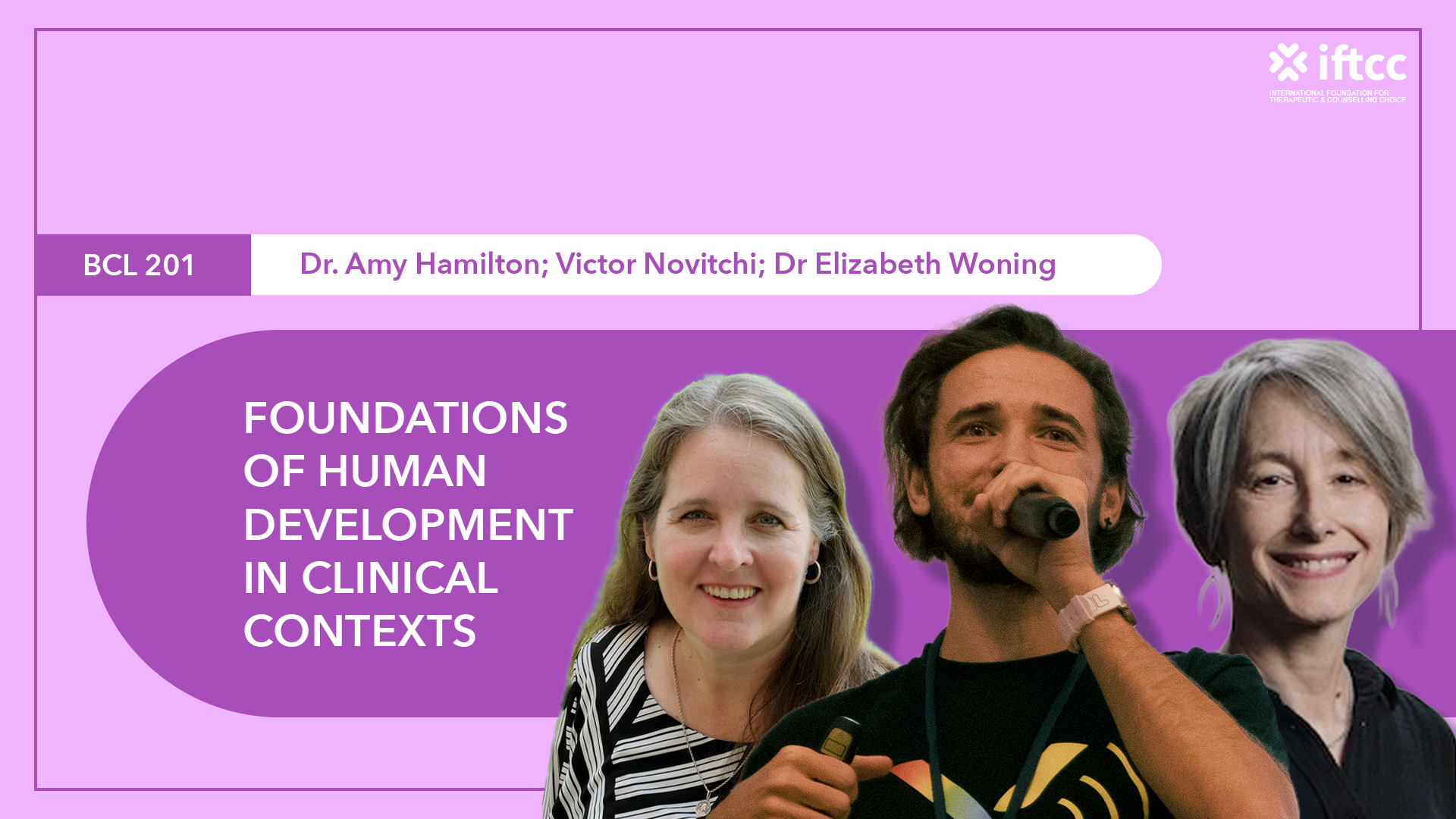 BCL 201: Foundations of Human Development in Clinical Contexts
About Course
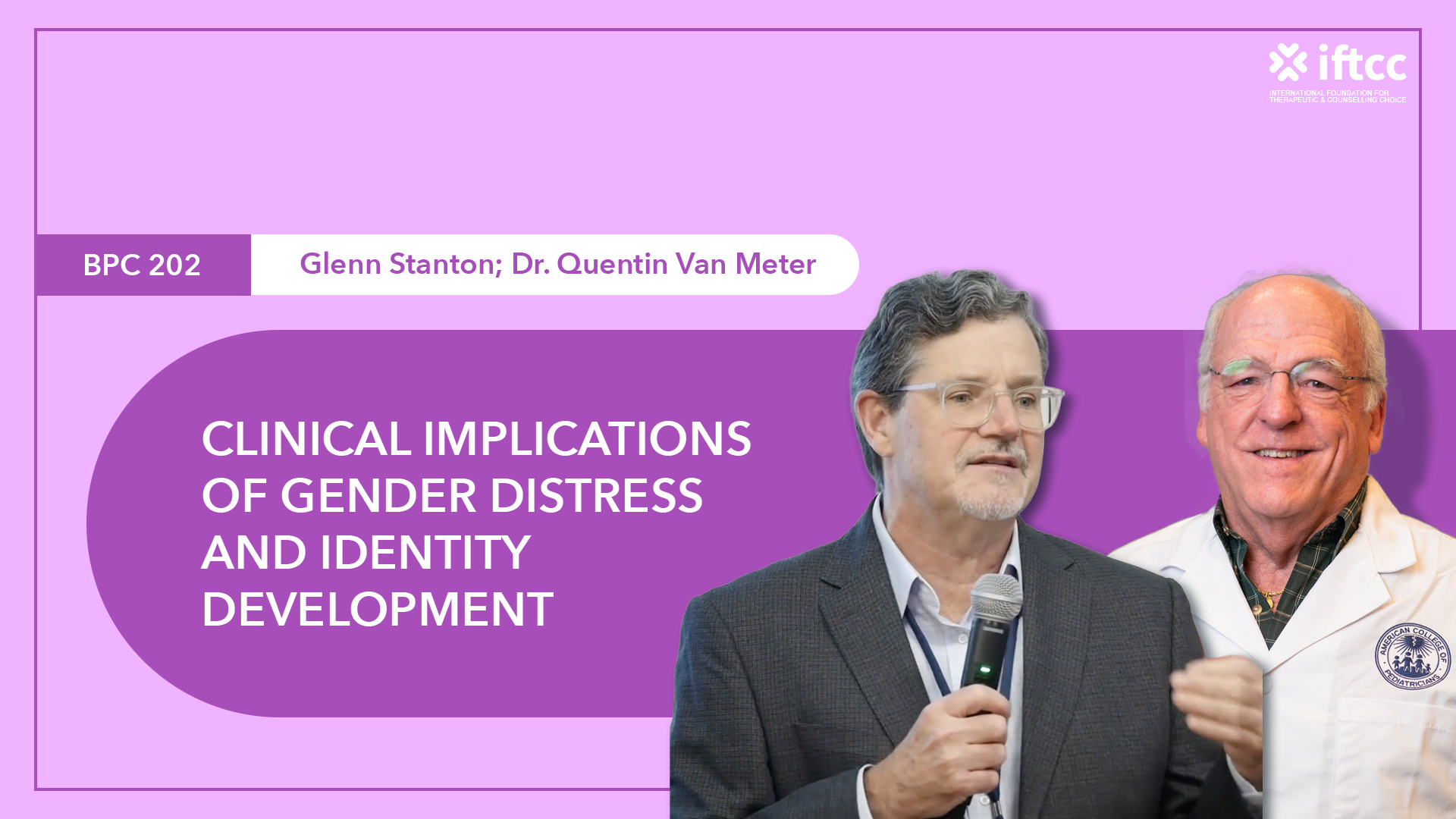
BCL 202 Clinical Implications of Gender Distress and Identity Development
Presentations Included:
- Glenn Stanton – How Sex and Gender Became Disconnected: How We Got Here/How We Return to Reality (2024)
- Glenn Stanton – How ‘Trans’ Reality is Dramatically Shifting and How to Respond (2023)
- Dr. Quentin Van Meter – Therapeutic Options for Individuals with Incongruent Gender Identity (2023)
Conceptualisations of gender identity and gender distress have shifted significantly in recent years, affecting individuals, families, and clinical practice. This course equips clinical practitioners to understand the rapid development of transgender identity frameworks and their implications for human development, mental health, and therapeutic care. As gender-related presentations increase in clinical settings, practitioners must be able to engage these issues with both clinical competence and theological clarity.
The course examines the historical and sociological shifts that contributed to the separation of “sex” and “gender,” alongside current medical and psychological approaches to gender dysphoria. Particular attention is given to the ethical and clinical controversies surrounding interventions, especially among children and adolescents.
Within the IFTCC framework, this course is included in the Clinical certificate because a biblical anthropology provides a coherent account of human identity, embodiment, and flourishing, which is increasingly reflected in emerging research on optimal human development. As a Judeo-Christian organisation, IFTCC is committed to delivering training that integrates sound clinical reasoning with a biblical worldview.
This course fulfills the following learning goals:
- Describe how contemporary understandings of transgender identity have developed and how they differ from earlier clinical concepts of gender dysphoria (IFTCC A4).
- Identify key sociological and cultural influences that contributed to separating biological sex from gender identity (IFTCC A4).
- Explain the main medical and psychological approaches to gender-related distress, including areas of clinical and ethical debate (IFTCC A4).
- Describe clinical, ethical, and anthropological frameworks used when responding to gender-related distress (IFTCCA4).
- Identify professional considerations when communicating about gender-related concerns in clinical, educational,and family contexts (IFTCC A4).
Course Content
Lesson
-
BCL 202: Clinical Implications of Gender Distress and Identity Development